10 Tips for Choosing the Right Floor Grating
Choosing the right Floor Grating is not a simple matter of selecting a strong metal panel. It affects worker safety, drainage, maintenance, comfort, and long-term operating costs. A grating that looks suitable in a showroom may fail when exposed to oil, saltwater, heavy carts, or constant foot traffic.
Industrial flooring consultant David R. Smith, P.E., explains, “A grating is only reliable when its load, environment, and installation are properly matched.” This practical view should guide every decision. Load ratings need real calculations, not guesses. Surface texture matters when boots are wet. Openings must also protect workers from dropped tools, wheels, and narrow heels.
This guide, “10 Tips for Choosing the Right Floor Grating,” examines the details that are often overlooked. It considers material selection, bearing bar direction, span length, load requirements, surface treatments, corrosion exposure, and cleaning needs. It also discusses accessibility, installation tolerances, and replacement planning.
Small details matter. A two-millimeter mismatch can create a trip hazard. Poor drainage can leave a thin film of water beneath equipment. An inexpensive galvanized option may perform well indoors but deteriorate quickly near chemicals or coastal air.
No single grating fits every project. That is the uncomfortable part. Specifications can be incomplete, and site conditions can disagree with design assumptions. Careful measurement, qualified engineering review, and consultation with experienced suppliers reduce those risks. The best choice is rarely the cheapest one. It is the option that remains safe, stable, cleanable, and serviceable after years of real use.
Define the Load and Performance Requirements
Choosing floor grating starts with a clear definition of the load it must carry. Do not rely on a general “heavy-duty” description. Record dead loads from equipment, live loads from workers, carts, and stored materials. Then identify point loads, rolling loads, and possible impact from dropped tools. Measure it twice. A narrow wheel can create more stress than a broad pallet, even when total weight is lower. The supporting span matters equally; the same panel behaves differently across 600 millimeters and 1,200 millimeters.
Translate these conditions into performance requirements before comparing materials or bar sizes. Check allowable deflection, permanent deformation, vibration, and connection strength. A grating may survive the calculated load yet feel unsafe underfoot if it flexes noticeably. Consider drainage, ventilation, slip resistance, corrosion exposure, temperature, and cleaning methods. Wet boots and fine dust can change the real walking surface. Use current structural standards and have a qualified engineer verify unusual loads, especially near rotating equipment or access hatches.
Field measurements often reveal what drawings miss. Look for uneven supports, damaged seats, or a cart turning sharply at a doorway. That assumption can fail. It is tempting to select the lightest panel that passes a table value, but installation tolerances and aging reduce confidence. Specify load direction, bearing length, fastener spacing, and inspection intervals in writing. Keep test data and calculations with the project record. Reliable selection is not only about maximum capacity; it is about predictable performance after years of traffic, moisture, and maintenance.
10 Tips for Choosing the Right Floor Grating: Define the Load and Performance Requirements
Before selecting a floor grating system, identify the governing imposed load for its intended use. The reference values below are representative characteristic floor loads from common Eurocode EN 1991-1-1 use categories and should be verified against local regulations, span, support conditions, impact loads, and deflection limits.
Select the Appropriate Surface and Opening Design
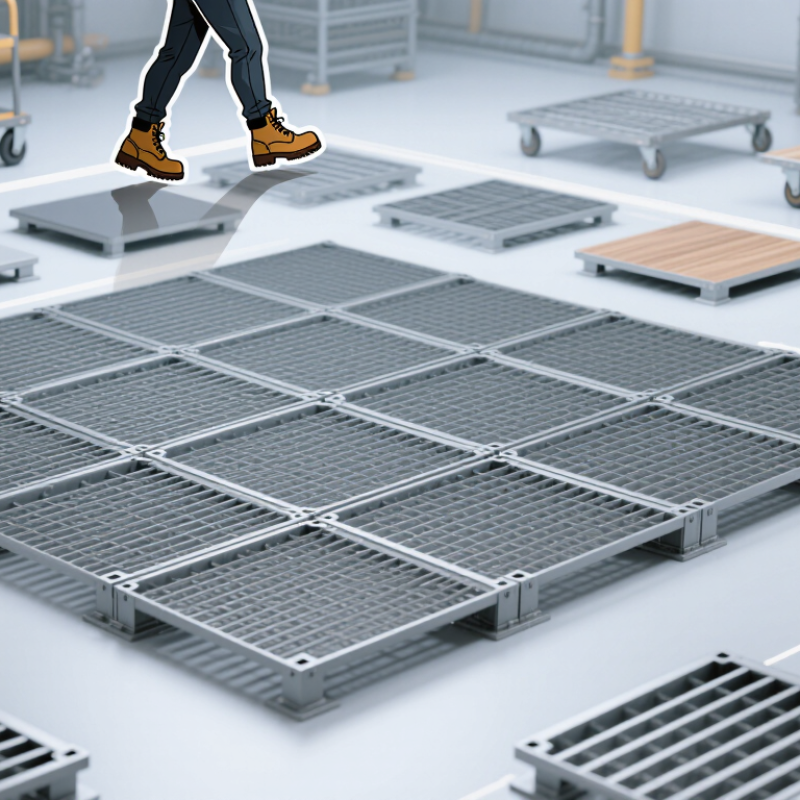
Selecting the right floor grating starts with the surface, not the frame. A smooth panel may look clean, but it can become dangerous with oil, rain, or fine dust. Serrated bars usually provide stronger traction under wet boots. However, aggressive surfaces can trap debris and damage wheeled equipment. The choice should match footwear, traffic, drainage, and cleaning methods.
Tip: Test a sample on site. Walk across it with wet soles and work gloves. Small differences become obvious.
Opening design deserves equal attention. HSE’s 2023/24 workplace statistics associate slips and trips with about 30% of specified non-fatal injuries in Great Britain. That figure makes drainage and foot placement practical safety issues. Select openings that drain water quickly without catching narrow heels, tools, or wheel casters. Check the opening size against applicable access standards, including ISO 14122 guidance, and consider the smallest object that could fall through. A small gap can still create a costly interruption.
Tip: Review the grating beneath actual lighting conditions. Shadows can hide openings. This is often missed.
Load ratings also depend on span, support spacing, and moving loads. Do not rely only on a catalogue value. Ask for test data, deflection limits, and corrosion-performance evidence. The 2024 Global Status of Steel Coatings report from an international corrosion association continues to highlight corrosion as a major source of infrastructure cost. Material selection therefore matters, especially near washdown areas or coastal air. My own preference is cautious: specify more traction only when cleaning remains realistic. Perfect grip is not useful if the surface becomes clogged.
Evaluate Safety, Installation, and Maintenance Needs
10 Tips for Choosing the Right Floor Grating
Tip 1: Start with safety, not appearance.
Check load ratings, support spans, opening sizes, and slip resistance. HSE’s 2022/23 injury statistics report identified slips and trips in 29% of specified major workplace injuries. Wet areas need drainage and a secure walking surface. Small openings also matter. They can catch footwear or tools.
Tip 2: Inspect the installation conditions before selecting the panel.
Measure access points, support spacing, elevation changes, and fixing locations. A grating system may meet its load rating but still move underfoot if poorly secured. Specify compatible clips, anchors, and corrosion protection. Use EN ISO 14122-2 or the applicable local standard as a technical reference. An overlooked edge can become the real hazard.
Tip 3: Plan maintenance while comparing products.
Look for removable sections, cleanable surfaces, replaceable fasteners, and resistance to the site’s chemicals. The U.S. Department of Energy’s Operations and Maintenance Best Practices Guide links preventive maintenance with improved reliability and reduced operating costs, although results vary by facility. Keep a simple inspection schedule. Record damaged bars, blocked drainage, loose fixings, and coating wear. I would recheck the design after installation; drawings rarely show every muddy corner, awkward access point, or cleaning problem.