How to Choose the Best Home Windows for Your Needs?
Choosing the right home windows is essential for any homeowner. Windows not only enhance the aesthetic appeal of a house but also impact energy efficiency. According to the Department of Energy, windows account for 25% to 30% of residential heating and cooling energy use. Selecting high-quality home windows can significantly reduce energy costs.
When assessing home window options, it's important to consider materials, styles, and additional features. Vinyl, wood, and fiberglass each offer unique advantages, making the choice depend on personal preferences and budget. Reports indicate that upgrading to energy-efficient windows can yield a return on investment exceeding 70% at resale. However, homeowners often overlook the long-term benefits of such investments.
Balancing costs with performance can be challenging. Some may prioritize initial savings over quality, which often leads to higher maintenance costs later. It’s crucial to reflect on what features truly matter, as this decision affects both comfort and value. A well-informed choice can lead to lasting benefits for years to come.
Factors to Consider When Choosing Home Windows
Choosing the right home windows can be overwhelming. Consider energy efficiency first. Windows play a crucial role in insulation. Poor insulation can lead to higher energy bills. Look for double or triple-pane glass to reduce heat transfer. Remember, quality matters over price in energy savings.
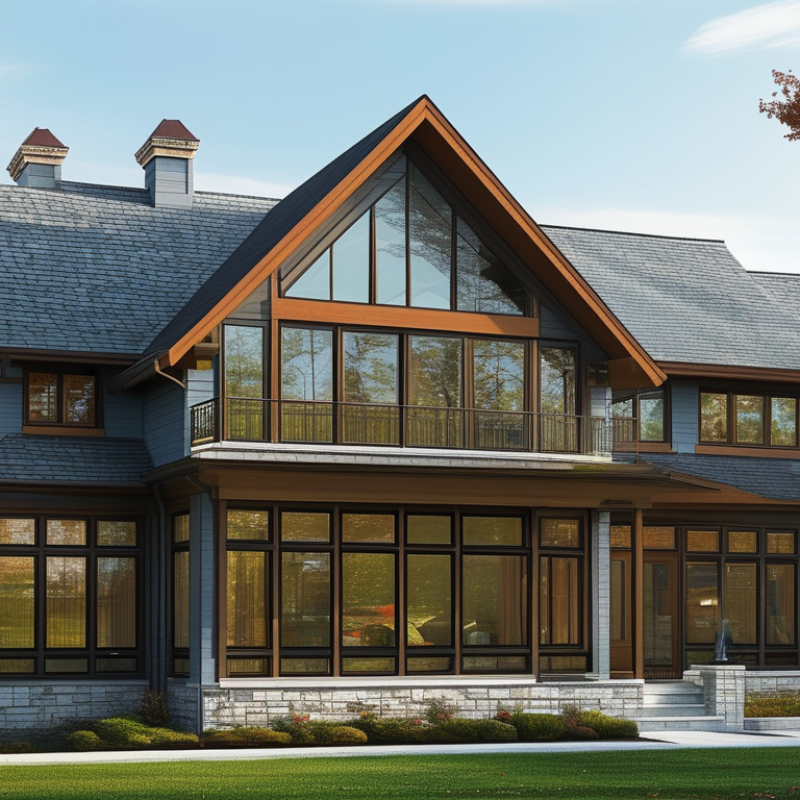
Next, think about style. Your windows should match your home’s architecture. A modern home may require sleek, minimalist designs. On the other hand, traditional homes often benefit from classic styles. Also, colors and materials should complement your exterior. These choices can enhance curb appeal and overall aesthetics.
Lastly, safety is vital. Check the security features of the windows. Reinforced glass and sturdy frames provide better protection. Consider how easy they are to open and close. Accessibility is essential for emergencies. Choose windows that offer both beauty and safety, ensuring they meet your family's needs. Reflect on your priorities. What matters most to you?
How to Choose the Best Home Windows for Your Needs? - Factors to Consider When Choosing Home Windows
| Window Type |
Material |
Energy Efficiency |
Maintenance Level |
Cost Range |
| Casement Windows |
Aluminum |
High |
Low |
$300 - $800 |
| Double-Hung Windows |
Vinyl |
Medium |
Medium |
$250 - $650 |
| Sliding Windows |
Wood |
Medium |
High |
$400 - $900 |
| Picture Windows |
Fiberglass |
Very High |
Low |
$500 - $1,200 |
| Awning Windows |
Aluminum |
High |
Low |
$350 - $850 |
Types of Window Materials and Their Benefits
Choosing the right window material is crucial for both aesthetics and energy efficiency. The main types include vinyl, wood, aluminum, and fiberglass. Each material offers unique benefits, depending on your home needs.
Vinyl windows are popular for their low maintenance and affordability. According to a 2022 industry report, they are about 30% cheaper than wood options. They provide excellent insulation, which can reduce energy costs by up to 20%. However, their colors may fade over time, which could require more frequent replacements.
Wood windows add a classic touch and are known for their natural beauty. A study by the American Architectural Manufacturers Association found that properly maintained wood windows can last up to 30 years. However, they require regular upkeep to prevent rot and decay. Aluminum windows offer durability and a sleek look but are less energy-efficient. As noted by the National Fenestration Rating Council, they can result in higher heating and cooling costs. Each material has its trade-offs, and individual choices will ultimately depend on personal preference and long-term investment goals.
Understanding Energy Efficiency Ratings for Windows
When selecting home windows, energy efficiency ratings are crucial. These ratings indicate how well windows can insulate your home. Understanding these terms can be overwhelming. Key metrics include U-factor, Solar Heat Gain Coefficient (SHGC), and Visible Transmittance (VT). A low U-factor means better insulation. SHGC measures how much heat enters your home from sunlight. VT indicates the amount of natural light windows allow in.
Choosing windows with high energy efficiency is not always straightforward. Different homes have unique needs based on climate and orientation. For instance, a window with a low SHGC may be ideal in hot climates but not in colder areas. Sometimes, homeowners may prioritize aesthetics over efficiency, leading to regret later. Researching the right balance can lead to significant long-term savings.
Energy efficiency ratings can help you make informed decisions. However, they should not overshadow your personal preferences. Each home is distinct. Reflecting on your specific needs while considering energy ratings is vital. This balance can yield a comfortable and sustainable living environment.
Window Styles: Choosing the Right Design for Your Home
When selecting window styles for your home, consider both aesthetics and functionality. Different designs can affect your home’s curb appeal significantly. Traditional double-hung windows offer a classic look. They are easy to clean and provide excellent ventilation. On the other hand, casement windows swing open, allowing maximum airflow. This makes them ideal for hard-to-reach areas.
Your choice may depend on your home’s architectural style. Modern homes often feature large, picture windows. These windows invite natural light and showcase the outdoor view. For a more rustic feel, consider wooden frames with divided lights to add character. However, remember that wood requires maintenance to avoid rot.
It’s vital to reflect on energy efficiency too. Some styles can promote better insulation. While sliding windows can save space, they might not offer the best thermal performance. Assessing which features matter most can be challenging, as personal preferences often conflict with practicality. Be sure to consider how different styles will meet your long-term needs.
Popular Window Styles in Residential Homes
Installation and Maintenance Tips for New Windows
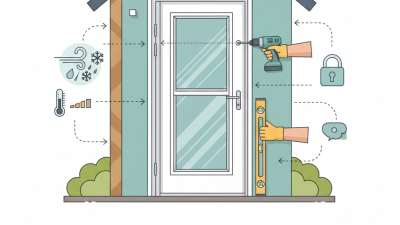
When installing new windows, proper preparation is key. According to the U.S. Department of Energy, up to 30% of a home's energy loss occurs through windows. This emphasizes the importance of expert installation. A professional installer can ensure that windows are sealed correctly, reducing air leaks. It's crucial to inspect the window frame and surrounding areas for damages before installation. Any minor flaws can lead to greater issues later.
Regular maintenance prolongs the lifespan of your windows. Cleaning the tracks and lubricating the moving parts helps them operate smoothly. Research indicates that homeowners who perform routine checks can increase their windows' efficiency by up to 25%. Ensure the weather stripping is in good condition, as it plays a significant role in thermal efficiency. Remember, even the best windows require care to remain effective.
Consider the long-term implications of your choices. A poorly installed window may lead to moisture buildup and mold growth. This not only poses health risks but may also require costly repairs. Windows should be inspected annually to identify any signs of wear and tear early. Understanding these maintenance needs is essential for maximizing your windows' benefits.